
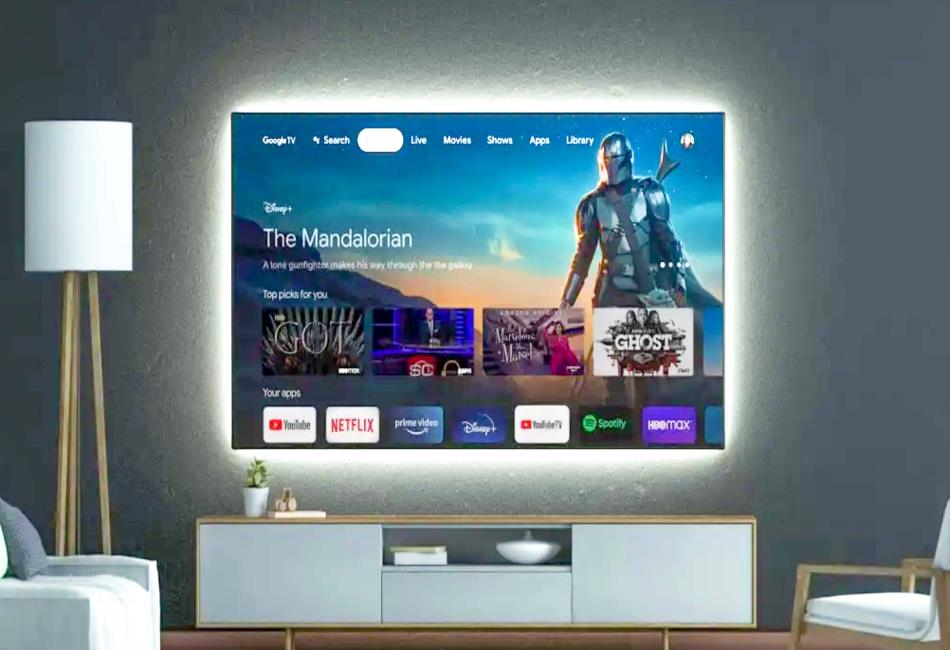
Google TV has quickly become a household name in the world of streaming and smart television. Launched as a successor to the older Android TV platform, Google TV offers a more intuitive, user-friendly, and content-focused experience. With its integration into popular streaming devices and smart TVs, Google TV aims to simplify the way users access and enjoy their favorite content. This article explores what Google TV is, its key features, the differences from Android TV, and how it is shaping the future of entertainment.
Contents
What is Google TV?
Google TV is a smart TV platform developed by Google that serves as an interface for accessing streaming content from a variety of sources. It is not a standalone operating system but rather a user experience layer running on top of Android TV. Google TV was first introduced in 2020 with the launch of the Chromecast with Google TV, which combined the familiar Chromecast streaming capabilities with a full-featured TV interface.
The goal of Google TV is to provide a personalized and cohesive viewing experience, aggregating content from multiple streaming services into a single, easy-to-navigate interface. Whether it’s movies, TV shows, live sports, or YouTube videos, Google TV aims to be the central hub for all your entertainment needs.
Key Features of Google TV
- Unified Content Discovery: One of the standout features of Google TV is its ability to aggregate content from various streaming services into one central location. Instead of hopping between different apps to find something to watch, users can browse through a single interface that displays content from platforms like Netflix, Disney+, Amazon Prime Video, Hulu, and more. Google TV’s powerful search functionality allows users to look for titles, genres, or actors across all their subscribed services.
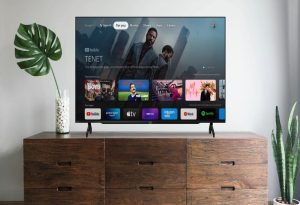
- Personalized Recommendations: Google TV leverages Google’s advanced algorithms to provide personalized recommendations based on user preferences and viewing habits. The “For You” tab on the home screen offers a curated selection of content tailored to each individual user, drawing from their favorite genres, previously watched shows, and personal watchlists. This personalization helps users discover new content that aligns with their tastes, making the search for something to watch quicker and more enjoyable.
- Watchlist: The Watchlist feature allows users to keep track of movies and shows they want to watch. Users can add content to their Watchlist from Google TV directly, or even from Google Search on their phone or computer. This cross-platform functionality makes it easy to add to your list on the go, ensuring you never miss out on the content you’re interested in.
- Integration with Google Services: Google TV is tightly integrated with other Google services, enhancing the overall experience. Google Assistant plays a significant role, enabling voice control for searching content, adjusting volume, and even controlling smart home devices. Additionally, Google Photos integration allows users to set personal photos as screensavers, turning their TV into a digital photo frame.
- Live TV Integration: For users who still enjoy traditional live TV, Google TV integrates with live TV services like YouTube TV, Sling TV, and Pluto TV. This integration brings live programming, including sports, news, and network shows, directly into the Google TV interface, making it easier for users to switch between live and on-demand content.
- Kids Profiles and Parental Controls: Recognizing the importance of family-friendly features, Google TV includes dedicated kids profiles and robust parental controls. Parents can set up profiles with age-appropriate content and use parental controls to manage screen time and restrict access to certain content. The interface for kids is colorful and easy to navigate, ensuring a safe and engaging environment for younger viewers.
- Enhanced Smart Home Control: With Google TV, users can control smart home devices directly from their TV. Whether it’s adjusting the thermostat, dimming the lights, or viewing a live feed from a connected security camera, Google TV integrates seamlessly with Google Home devices, bringing the smart home experience to the big screen.
How Google TV Differs from Android TV
While Google TV builds on the foundation of Android TV, it brings several enhancements and a more refined user interface. Android TV was known for its basic, app-centric layout, which often required users to scroll through rows of apps to find content. Google TV, on the other hand, shifts the focus to content rather than apps, making the user experience more about finding something to watch rather than navigating between services.
Google TV also introduces more sophisticated personalization features, utilizing Google’s machine learning capabilities to suggest content that is more closely aligned with user preferences. This is a significant upgrade over Android TV, where recommendations were less integrated and often limited to individual apps.
The Impact of Google TV on the Market
Google TV’s entry into the smart TV market has significantly influenced the way content is consumed. By prioritizing a content-first approach, Google TV sets a new standard for what users expect from a smart TV interface. Its deep integration with Google’s ecosystem, combined with the power of Google Assistant, makes it a formidable player against other platforms like Roku, Amazon Fire TV, and Apple TV.
The adoption of Google TV by major television manufacturers such as Sony, TCL, and Hisense further solidifies its position in the market. With more devices coming equipped with Google TV out of the box, its user base is poised to grow rapidly.
The Future of Google TV
Looking ahead, Google TV is expected to continue evolving with new features and improvements that cater to user needs. Future updates may include enhanced gaming support, deeper integration with other Google services, and expanded live TV offerings. As streaming becomes the dominant way people consume content, Google TV is well-positioned to be at the forefront of this shift.
In conclusion, Google TV represents a significant step forward in smart TV technology, offering a streamlined, personalized, and user-friendly approach to watching TV. With its robust set of features and seamless integration with Google’s ecosystem, Google TV is not just a rebranding of Android TV but a reimagining of how we interact with television in the modern age. As it continues to evolve, Google TV is set to revolutionize the entertainment landscape, making it easier and more enjoyable for users to access the content they love.